Wind Energy Development
In the coming years, wind energy will play an important role in Québec's energy transition. With the collaboration of communities, First Nations and MRCs, Hydro-Québec is committed to developing projects that will benefit society as a whole.
An opportunity for our communities
Wind power projects are not just another way of generating electricity, they are also a way for communities to actively support the energy transition and reap tangible benefits.
Be part of the change
By contributing to the generation of a new source of electricity, communities are helping to reduce greenhouse gas (GHG) emissions, which are responsible for climate change.
Generating local spinoffs
The revenue generated will lead to significant spinoffs that can be invested in regional projects aimed at improving services and supporting social initiatives.
Building together
Projects are based on strong partnerships. By working together toward a common goal, we’re focusing on transparency and trust and creating a shared vision for the future of the region.
Our wind power projects
These projects are developed in collaboration with community partners who are involved at every stage of the process. Given their extensive knowledge of the land, their interests and concerns are taken into account through ongoing communications.
What is wind power?
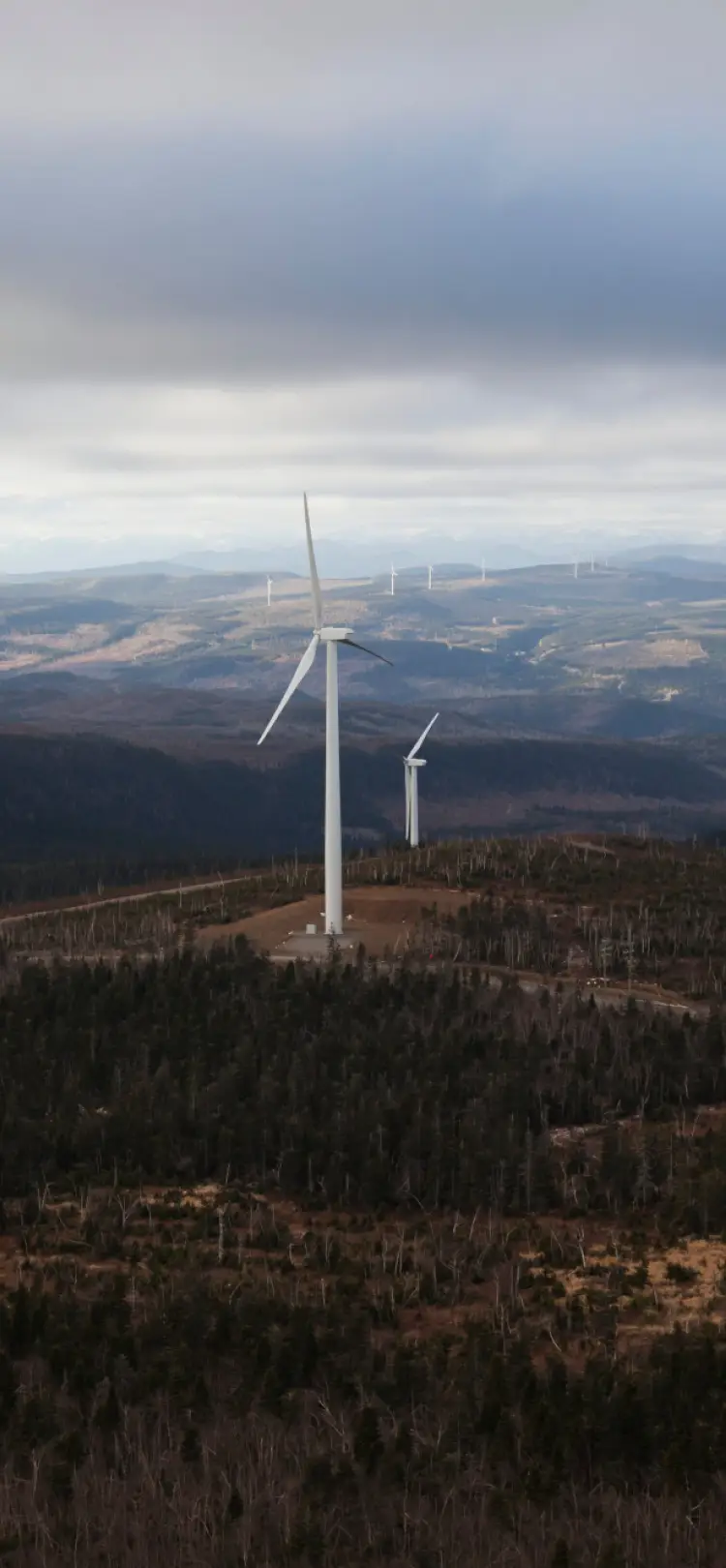
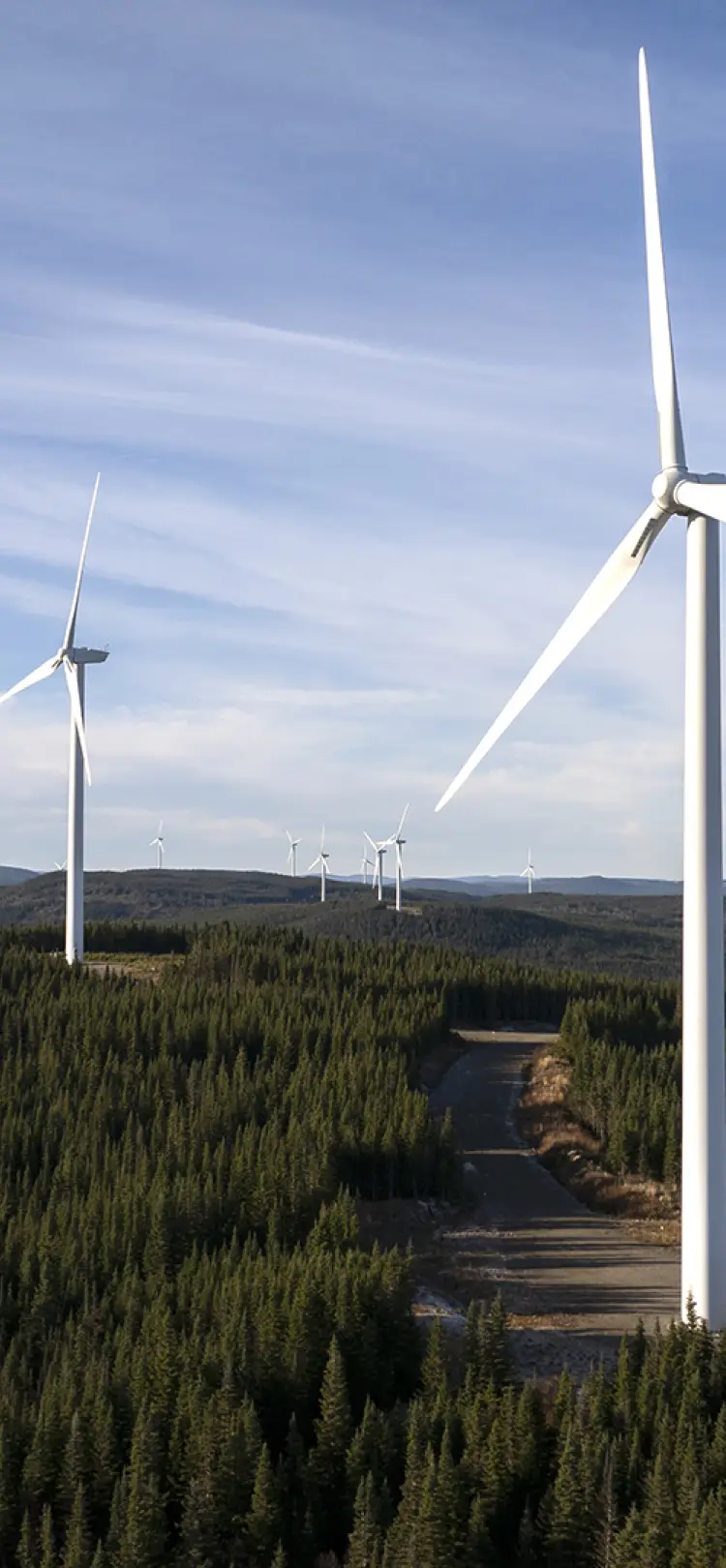
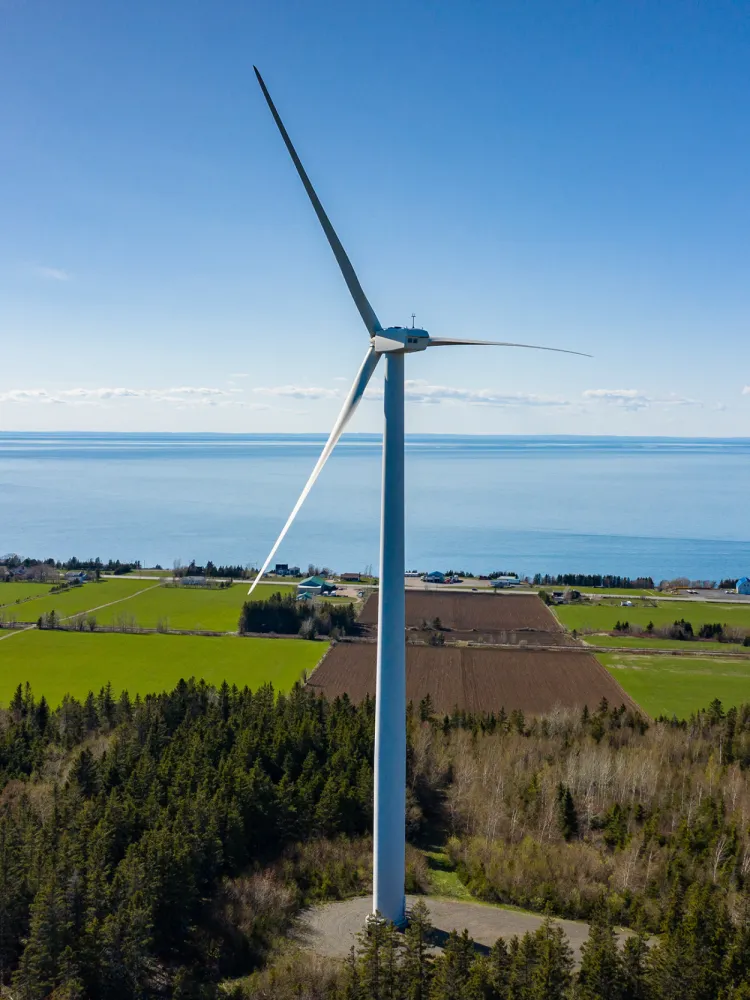
A wind turbine captures the power of the wind and converts it into electricity. It’s a renewable energy source with no direct greenhouse gas emissions. In Québec, wind power generation is generally higher in winter, when demand is high, and hydropower generation is higher in spring. These two sources complement each other and contribute to a more balanced and reliable electricity supply.
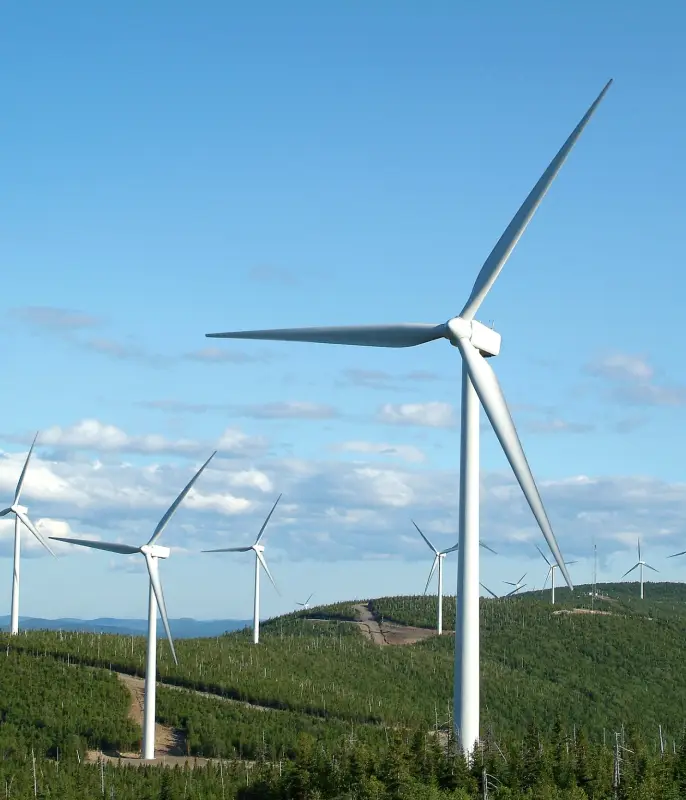
Stages of a wind farm project
Any construction project focused on energy generation involves different stages. Below are the stages specific to wind power projects.
- 1
Determining the project area
- 2
Project development, including environmental impact assessment
- 3
Government permits, licences and approvals
- 4
Construction
- 5
Operation and maintenance
Environmental assessment and monitoring
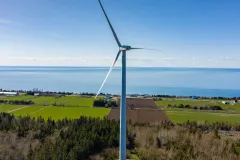
Human environment
- Land use study and consultation
- Archaeological study
- Visual impact
- Noise assessment
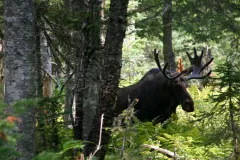
Natural environment
- Wildlife
- Special-status wildlife species habitats
- Flora
- Wetlands and aquatic environments
Physical environment
- Ground
- Air
- Water
Frequently asked questions
What measures are Hydro-Québec and its partners taking to protect the environment in wind power projects?
We must obtain the necessary environmental permits to build and operate wind farms.
Environmental assessments and mitigation measures are regulated by the Ministère de l'Environnement, de la Lutte contre les changements climatiques, de la Faune et des Parcs (MELCCFP) and take into account environmental impact assessments, public consultations, legal requirements and local site characteristics.
To manage expected environmental impacts, our teams implement avoidance, mitigation and offsetting measures.
Environmental monitoring is conducted during wind farm construction and operation in accordance with government permits.
Are wind turbines noisy?
No. Wind turbines are strategically located to ensure that noise levels near homes do not exceed 45 decibels during the day and 40 decibels at night, which is comparable to the ambient noise in a library.
What measures are Hydro-Québec and its partners taking to ensure that wind turbines blend harmoniously into the landscape?
Hydro-Québec's project teams and their partners consider the visual impact on the landscape and key visual points of interest as part of the environmental assessments for each project. Visual simulations are created and presented during consultations. This approach aims to reconcile the concerns of local residents with the technical requirements of a project, while contributing to sustainable development and renewable energy production.
What impact do wind turbines have on hunting activities?
There are currently 44 wind farms all over Québec, and many are located in areas popular for moose hunting. In general, no negative impact on hunting success has been reported in wind farm areas.
Is it permitted to engage in recreational activities in wind farms?
Yes, they can. Recreational activities such as snowmobiling (on designated trails), skiing and snowshoeing are permitted in wind farm areas as long as people follow existing regulations and have permission from the landowner.
Further reading
Additional information on wind power is available on the Hydro-Québec website.